
Self Development
Ideas for self-adjustment, discipline, resilience, habit and character formation.
Quotes

“The test of use of time is not intensity for one moment, but usefulness, steadiness and life-giving effect over time.”
An editorial paraphrase for reflection on use of time; it is not presented as a verbatim quotation of Sree Sree Thakur.

“Growth is often quiet: protect one period each day for the responsibility that matters most, then repeat the correction until it becomes natural.”
An editorial paraphrase for reflection on use of time; it is not presented as a verbatim quotation of Sree Sree Thakur.

“Before asking whether others understand your ideal, ask whether your own conduct makes use of time easier to recognize.”
An editorial paraphrase for reflection on use of time; it is not presented as a verbatim quotation of Sree Sree Thakur.

“A value becomes part of character when time gains value when attention is tied to purpose instead of merely filled with activity, even on an ordinary day.”
An editorial paraphrase for reflection on use of time; it is not presented as a verbatim quotation of Sree Sree Thakur.
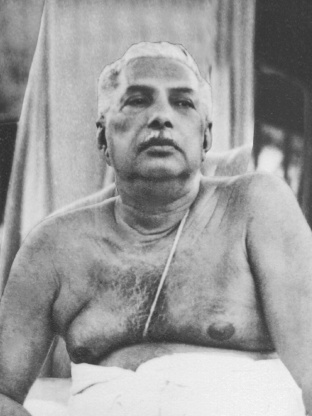
“Let use of time become visible in the next useful thing you do, not only in the words you admire.”
An editorial paraphrase for reflection on use of time; it is not presented as a verbatim quotation of Sree Sree Thakur.

“The test of courage through constructive action is not intensity for one moment, but usefulness, steadiness and life-giving effect over time.”
An editorial paraphrase for reflection on courage through constructive action; it is not presented as a verbatim quotation of Sree Sree Thakur.

“Growth is often quiet: name the smallest useful step that can be taken now and do it before rehearsing the whole problem again, then repeat the correction until it becomes natural.”
An editorial paraphrase for reflection on courage through constructive action; it is not presented as a verbatim quotation of Sree Sree Thakur.
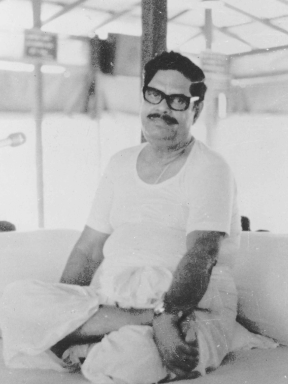
“Before asking whether others understand your ideal, ask whether your own conduct makes courage through constructive action easier to recognize.”
An editorial paraphrase for reflection on courage through constructive action; it is not presented as a verbatim quotation of Sree Sree Thakur.

“A value becomes part of character when fear weakens when attention shifts from imagined outcomes to the next responsible action, even on an ordinary day.”
An editorial paraphrase for reflection on courage through constructive action; it is not presented as a verbatim quotation of Sree Sree Thakur.

“Let courage through constructive action become visible in the next useful thing you do, not only in the words you admire.”
An editorial paraphrase for reflection on courage through constructive action; it is not presented as a verbatim quotation of Sree Sree Thakur.
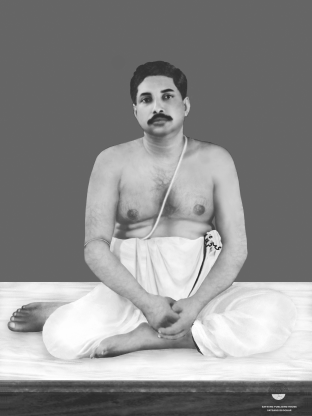
“The test of habit shapes character is not intensity for one moment, but usefulness, steadiness and life-giving effect over time.”
An editorial paraphrase for reflection on habit shapes character; it is not presented as a verbatim quotation of Sree Sree Thakur.

“Growth is often quiet: choose one corrective habit that is simple enough to repeat every day for a month, then repeat the correction until it becomes natural.”
An editorial paraphrase for reflection on habit shapes character; it is not presented as a verbatim quotation of Sree Sree Thakur.

“Before asking whether others understand your ideal, ask whether your own conduct makes habit shapes character easier to recognize.”
An editorial paraphrase for reflection on habit shapes character; it is not presented as a verbatim quotation of Sree Sree Thakur.

“A value becomes part of character when small repeated actions gradually become the architecture of character, even on an ordinary day.”
An editorial paraphrase for reflection on habit shapes character; it is not presented as a verbatim quotation of Sree Sree Thakur.

“Let habit shapes character become visible in the next useful thing you do, not only in the words you admire.”
An editorial paraphrase for reflection on habit shapes character; it is not presented as a verbatim quotation of Sree Sree Thakur.

“As the time of weakness think of beauty and strength.”
A practical reminder to direct attention toward constructive strength when the mind is vulnerable.

“Procrastination is the friend of idleness—the guide to the spoilage of work!”
The saying links delay with weakened action and invites prompt, disciplined effort.
Teachings
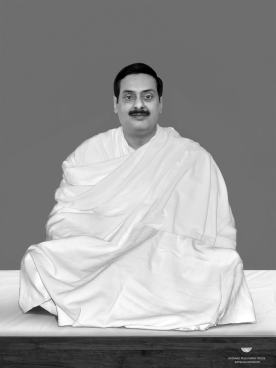
Use of Time and Purpose — Daily Self-Review
A practical reflection on protecting time for responsibilities that matter instead of allowing attention to be consumed by whatever is loudest, applied to daily self-review.
Read reflection
Use of Time and Purpose — Community Service
A practical reflection on protecting time for responsibilities that matter instead of allowing attention to be consumed by whatever is loudest, applied to community service.
Read reflection
Use of Time and Purpose — Decision Making
A practical reflection on protecting time for responsibilities that matter instead of allowing attention to be consumed by whatever is loudest, applied to decision making.
Read reflection
Use of Time and Purpose — Difficult Conversations
A practical reflection on protecting time for responsibilities that matter instead of allowing attention to be consumed by whatever is loudest, applied to difficult conversations.
Read reflection
Use of Time and Purpose — Work & Study
A practical reflection on protecting time for responsibilities that matter instead of allowing attention to be consumed by whatever is loudest, applied to work & study.
Read reflectionHumility and Correctability — Daily Self-Review
A practical reflection on remaining ready to learn, acknowledge error and make a correction without collapsing into shame or defensiveness, applied to daily self-review.
Read reflection
Humility and Correctability — Community Service
A practical reflection on remaining ready to learn, acknowledge error and make a correction without collapsing into shame or defensiveness, applied to community service.
Read reflection
Humility and Correctability — Decision Making
A practical reflection on remaining ready to learn, acknowledge error and make a correction without collapsing into shame or defensiveness, applied to decision making.
Read reflection
Humility and Correctability — Difficult Conversations
A practical reflection on remaining ready to learn, acknowledge error and make a correction without collapsing into shame or defensiveness, applied to difficult conversations.
Read reflection
Humility and Correctability — Work & Study
A practical reflection on remaining ready to learn, acknowledge error and make a correction without collapsing into shame or defensiveness, applied to work & study.
Read reflection
Humility and Correctability — Home & Family
A practical reflection on remaining ready to learn, acknowledge error and make a correction without collapsing into shame or defensiveness, applied to home & family.
Read reflection
Measure Growth Against Your Previous Self
Healthy development does not require constant comparison with another person.
Read reflection
Act Before Delay Becomes Habit
Procrastination often grows not from lack of ability but from repeatedly postponing the first small action.
Read reflectionDiscipline as Voluntary Order
Discipline can be understood as willing regulation of thought, speech and action toward a constructive purpose.
Read reflection
Being and Becoming as a Daily Practice
Growth is not a one-time spiritual event. It is a continuing movement of preserving what is healthy while becoming more capable.
Read reflection